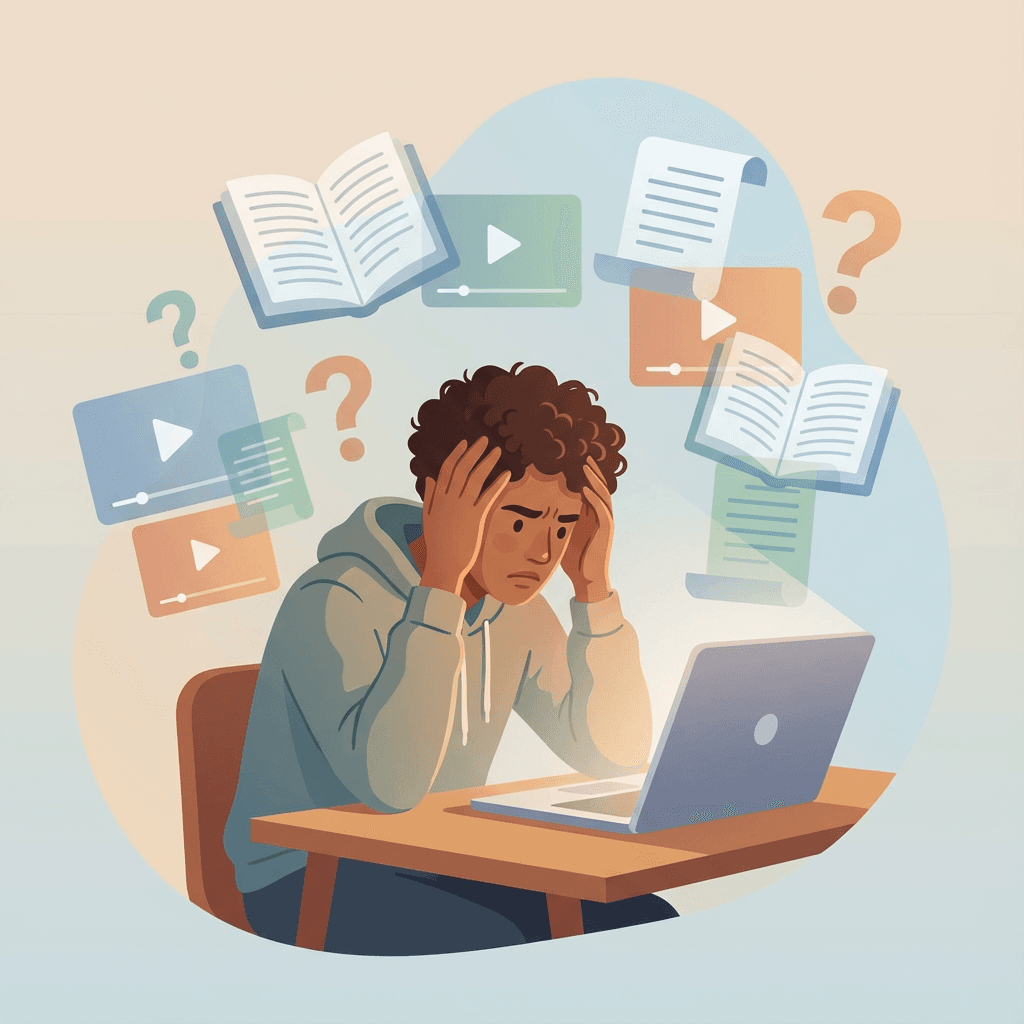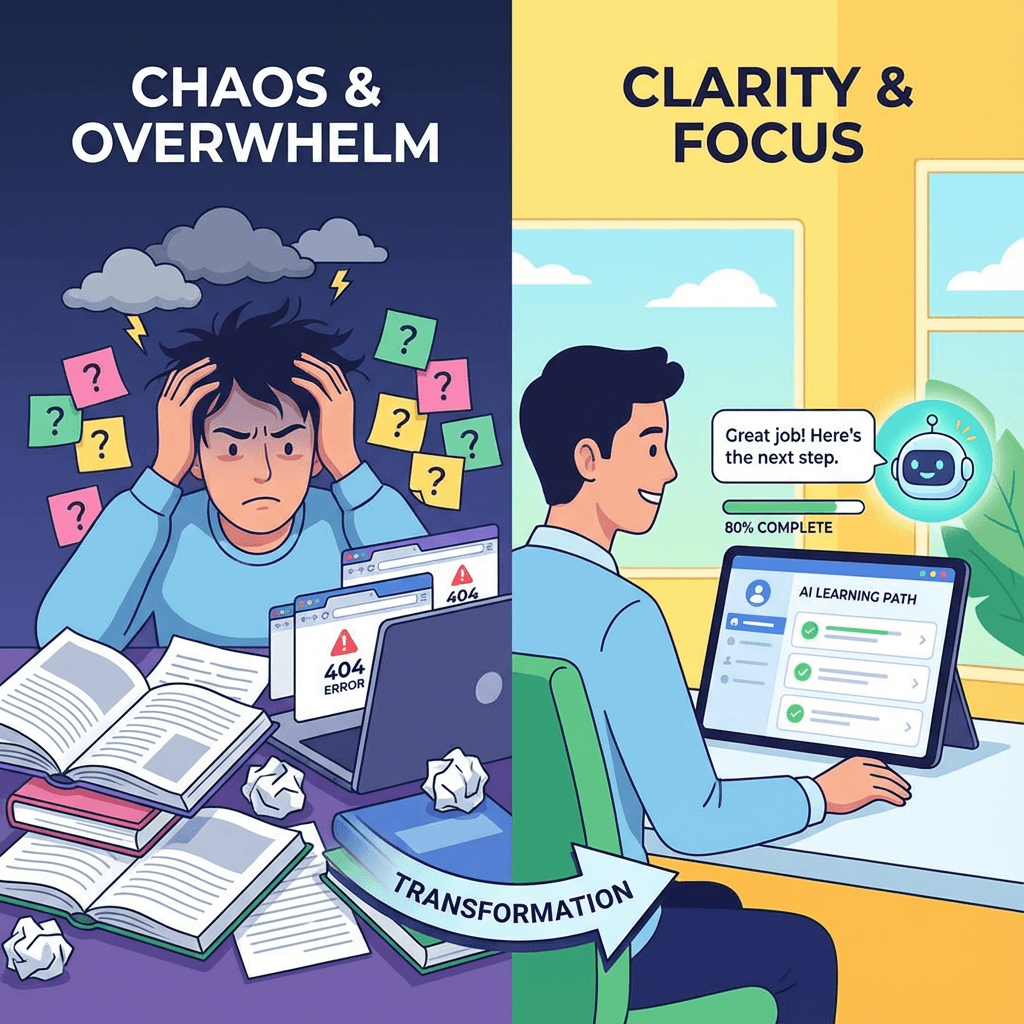
A recent report from UC San Diego sent a shockwave through the academic world, revealing a crisis that many educators have long suspected but is now backed by startling data. Between 2020 and 2025, the number of incoming students with math skills below a middle-school level surged by an almost thirtyfold factor [1]. The situation has become so dire that the university has been forced to redesign remedial courses to cover elementary-school material. This isn't an isolated incident; it's a symptom of a much larger problem. Students are advancing through the educational system, grades in hand, but without the foundational knowledge to succeed in higher education or the modern workforce. This is the silent crisis of academic preparedness, and it’s leaving a generation of learners feeling overwhelmed, anxious, and ill-equipped for the future.
The Widening Cracks in Traditional Learning
The causes of this decline are complex, with experts pointing to a combination of pandemic-related learning disruptions, the elimination of standardized testing for admissions, and rampant grade inflation that masks a student's true competency [1]. The result is what many are calling an "illusion of mastery." Students believe they are performing well because their report cards say so, but they lack the deep, conceptual understanding required for complex problem-solving. This creates a stressful and demoralizing experience in college and beyond, where the gaps in their knowledge become painfully apparent. This struggle is compounded by a documented rise in memory problems among young adults and a decline in reading literacy, creating a perfect storm of educational challenges [2] [3].
Can AI Tutors Fill the Void? The Promise and the Peril
In the search for solutions, many have turned to the promise of Artificial Intelligence. AI tutors and learning platforms are exploding in popularity, offering on-demand help to struggling students. However, this new frontier comes with its own set of risks. A key challenge is the reliability of information. General-purpose AI chatbots, while knowledgeable, can "hallucinate" or provide convincing but inaccurate information, a danger that students often lack the expertise to identify.
A groundbreaking 2024 study from Dartmouth University on an AI teaching assistant highlighted this exact issue. While students overwhelmingly embraced the AI for its 24/7 availability and convenience, their trust was conditional. The study found that students placed significantly more faith in an AI platform that drew its answers from a curated, expert-vetted set of course materials rather than the entire internet [4]. The lesson is clear: for AI to be an effective educational tool, it must provide not just answers, but trusted, accurate, and contextualized guidance.
The Mysira Difference: Precision Education, Not Just Information
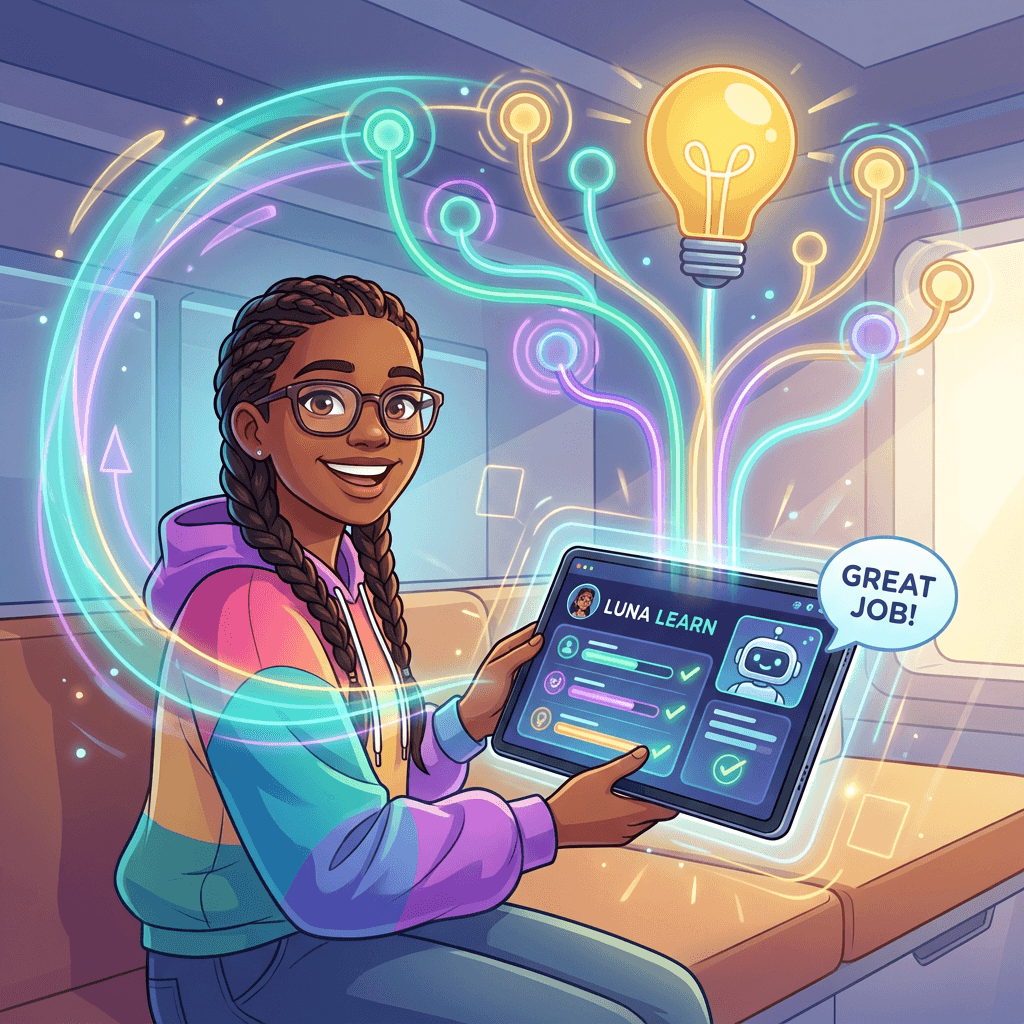
This is precisely where a new generation of AI learning platforms, like Mysira, is changing the game. Instead of casting a wide net across the web, Mysira acts as a personalized learning architect, building a custom roadmap for each user based on their specific goals and knowledge gaps. It addresses the core issues of the preparedness crisis head-on:
• Tackling Foundational Gaps:
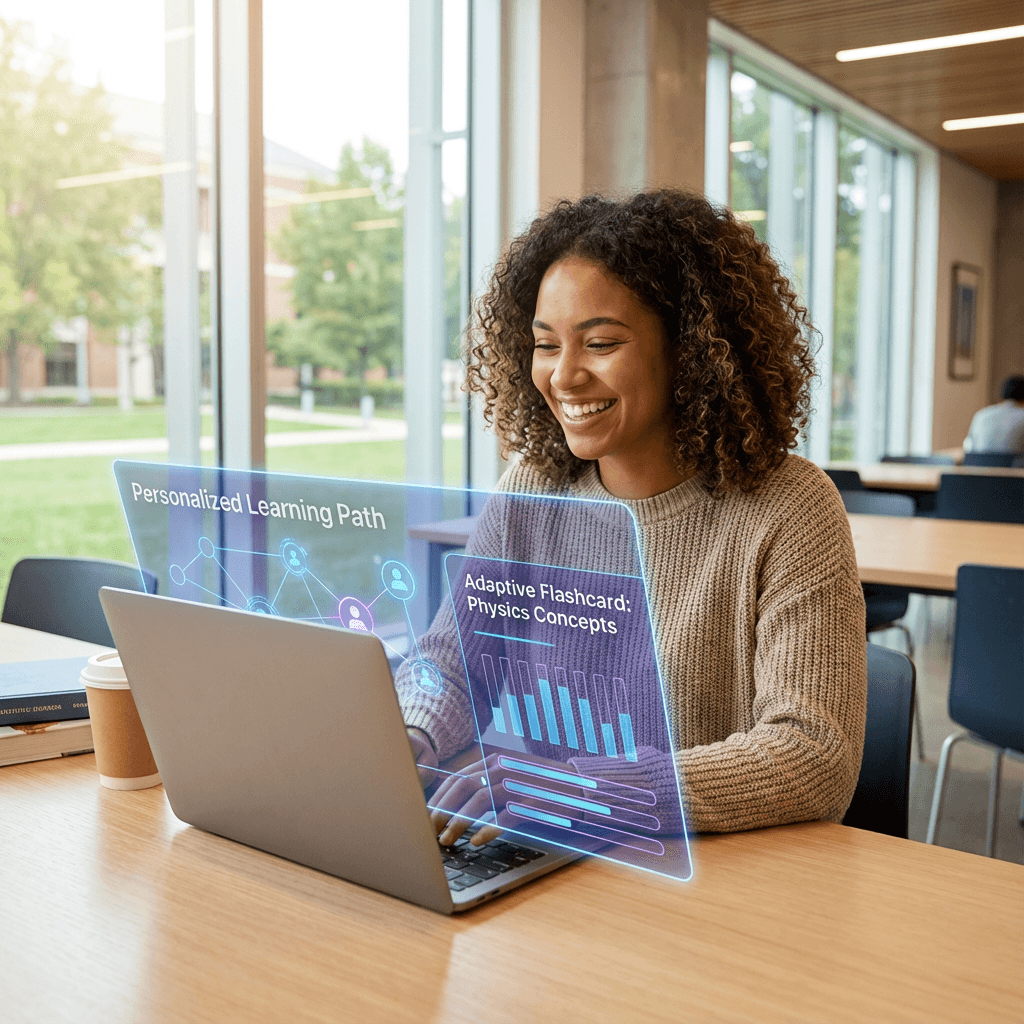
For a student struggling with concepts that should have been mastered years ago, Mysira doesn't just offer a quick fix. It builds a step-by-step learning path with curated resources—from articles to video tutorials—to rebuild that foundational knowledge from the ground up, ensuring true comprehension.
• Building Trust Through Curation:
By drawing from high-quality, vetted sources, Mysira eliminates the risk of AI hallucination. It provides the reliability that the Dartmouth study proved is essential for student confidence, creating a safe and effective learning environment.
• Moving Beyond the "Illusion of Mastery":
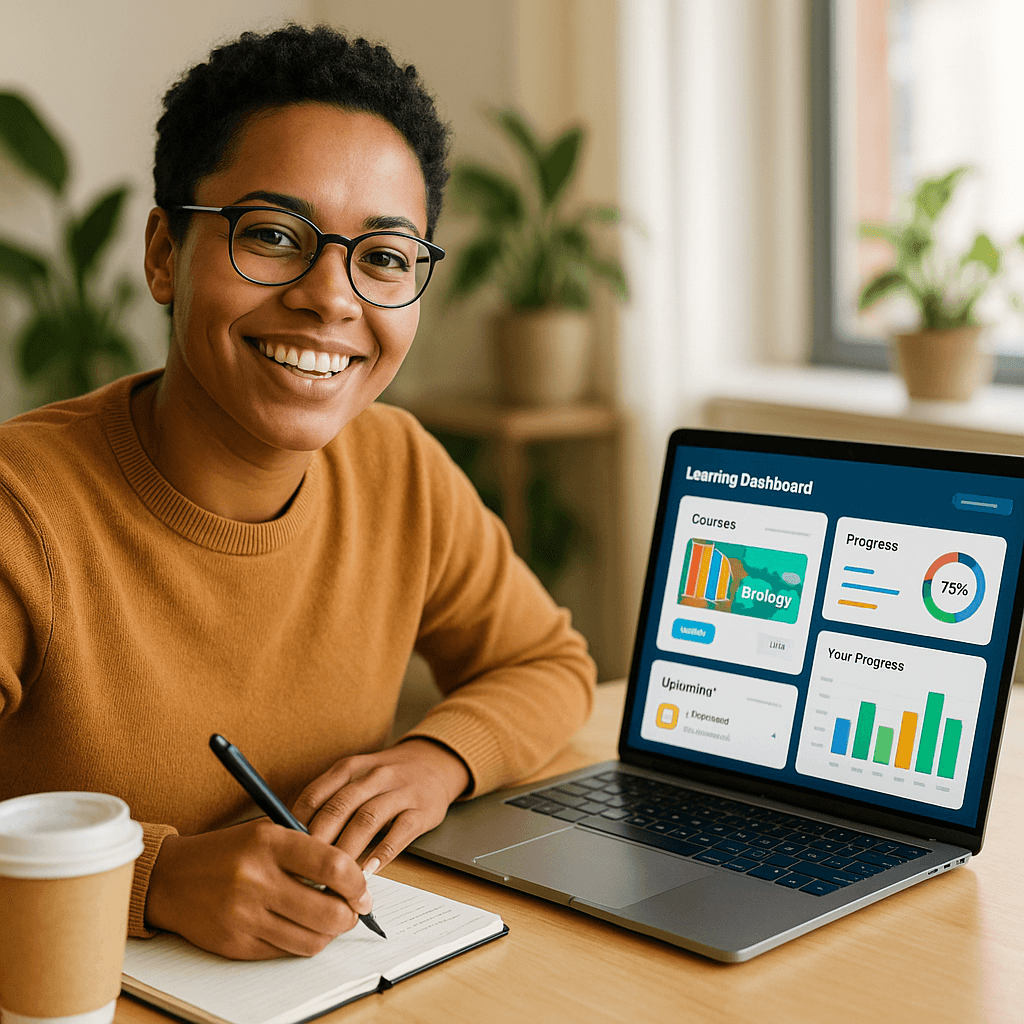
Inflated grades provide a false sense of security. Mysira’s adaptive flashcards and quizzes provide real, immediate feedback. The system dynamically adjusts to your progress, focusing on areas where you're weak and reinforcing concepts until they are truly mastered. This process builds genuine competence and the confidence that comes with it.
Rebuilding Confidence for a Competitive Future
The current educational crisis isn't just about failing a math class; it's about preparing young adults for a competitive and rapidly changing world. Being "unprepared for a work environment" is a common complaint among employers today [1]. The goal isn't simply to help students survive their exams, but to equip them with the critical thinking and problem-solving skills they need to thrive in their careers.
Personalized AI learning platforms represent a powerful solution. By providing a tailored, stress-free, and cost-effective path to mastery, tools like Mysira empower learners to take control of their education, fill their unique knowledge gaps, and build the skills and confidence they need to succeed. Don't let the silent crisis dictate your future. It's time to bridge the gap and build a stronger foundation for tomorrow.